Investing at Sea Breeze: Rental Income and Risks
Rental income and capital growth at Sea Breeze, without the sales pitch: where the numbers come from, how to work out net yield and what to watch.
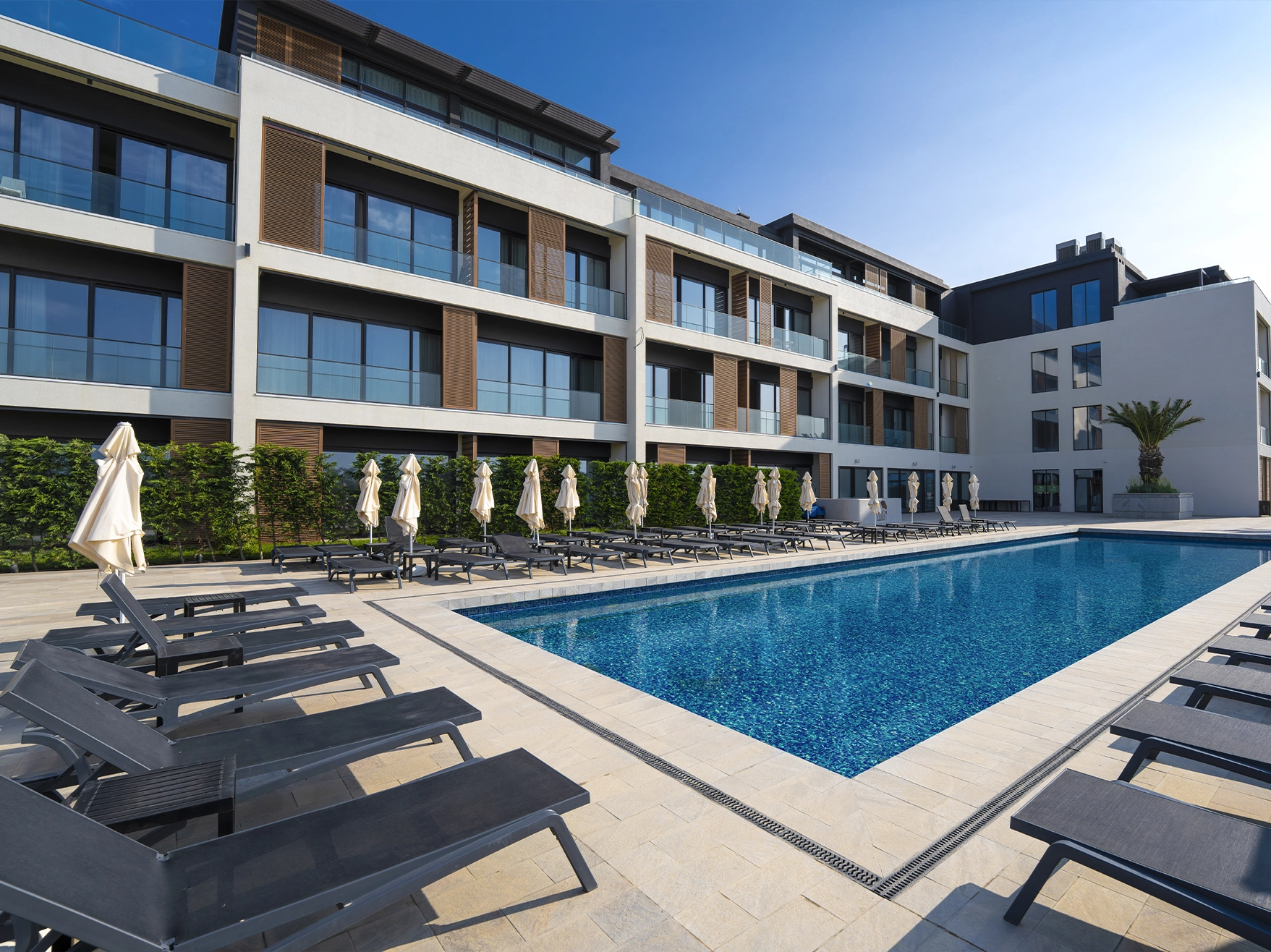
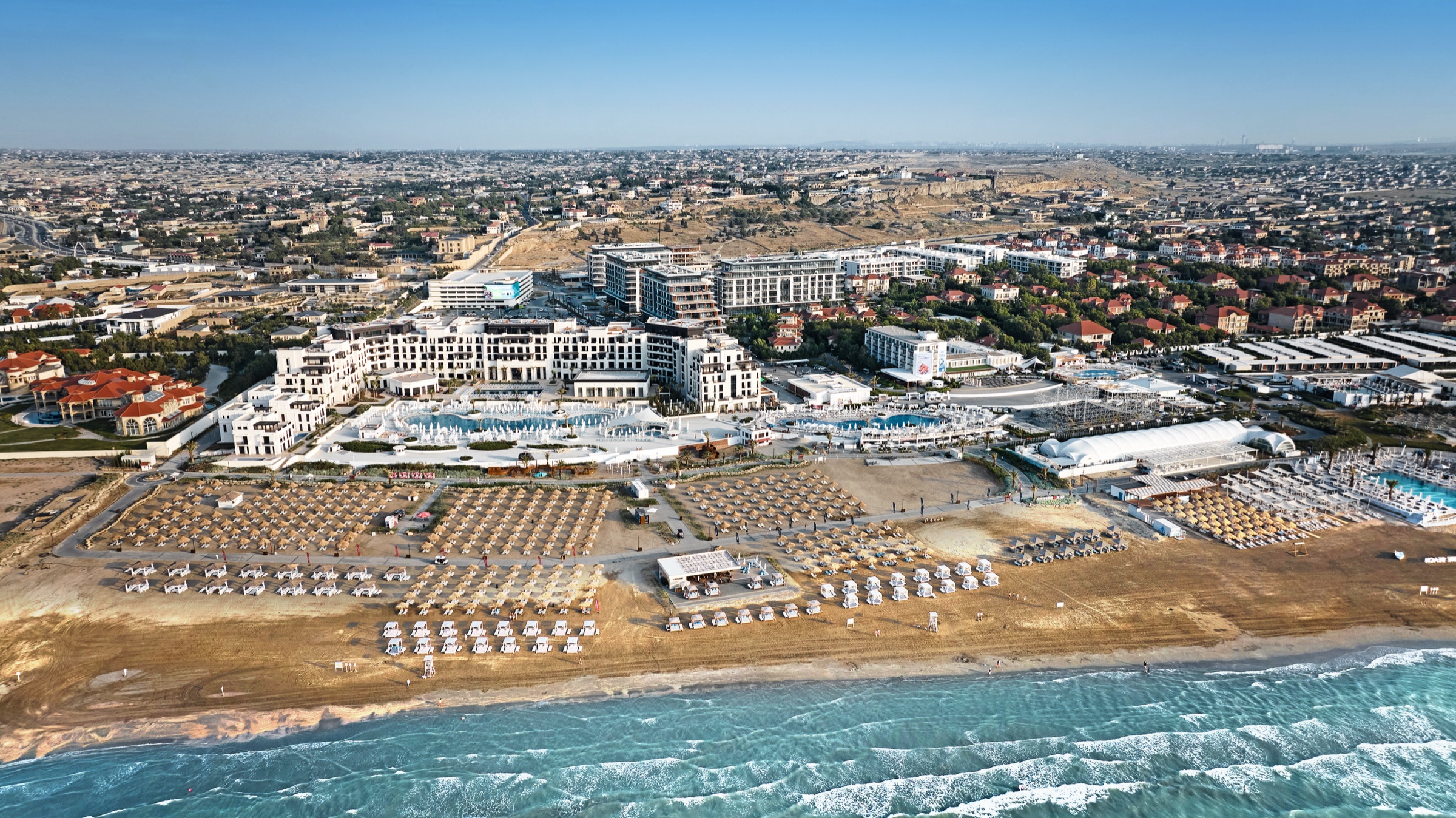
Returns on an investment apartment at Sea Breeze come from two sources: seasonal and long-term rentals, and capital growth as the resort city develops. The developer advertises rental yields above 8% a year and price growth of 15–35% a year, but these are not guarantees. The real result depends on the unit you choose, the price you pay and how it is managed. Sea Breeze Properties offers investors at Sea Breeze, Nardaran, Baku, property sourcing, flipping, portfolio management and reinvestment services.
Where the income comes from
Short lets. In summer Sea Breeze fills with holidaymakers from Baku and the wider region. The volume of searches such as "sea breeze kirayə evlər" (Sea Breeze rentals) and "sea breeze аренда квартир" shows that rental demand is real.
Long lets. Tenants include families who want to try living by the sea year-round before buying, and people who work at the resort. According to the official website of the President of Azerbaijan in April 2025, 6,560 people work at the resort. With a school, a kindergarten and medical facilities on site, Sea Breeze is more than a summer destination for a long-term tenant.
Capital growth. The resort city keeps growing in new phases, and its infrastructure keeps expanding. According to the developer, 5,300 units were sold across the project in 2025 alone. That figure shows the depth of the market and also the scale of new supply, and new supply means more competition for tenants.
How to read the developer's figures
"Rental yields above 8%", "15–35% annual price growth" and "full payback in 5–7 years" come from the developer's marketing materials. The right way to read them:
- they are averages or typical figures, not the result for your particular unit;
- yield depends heavily on the entry price, so the same rent on an expensively bought unit gives a lower percentage;
- past price growth does not guarantee future growth.
That is why we model every unit separately and work only with figures that can be checked.
Work out the yield yourself
A simple formula:
Net annual yield = (annual rent − annual costs) ÷ total investment × 100
Total investment includes the price, renovation, furniture, and notary and registration costs. Annual costs include utilities and service charges, the management fee, replacing worn furniture and appliances, empty periods and tax on rental income. Check your tax position with a tax adviser.
Which units rent best
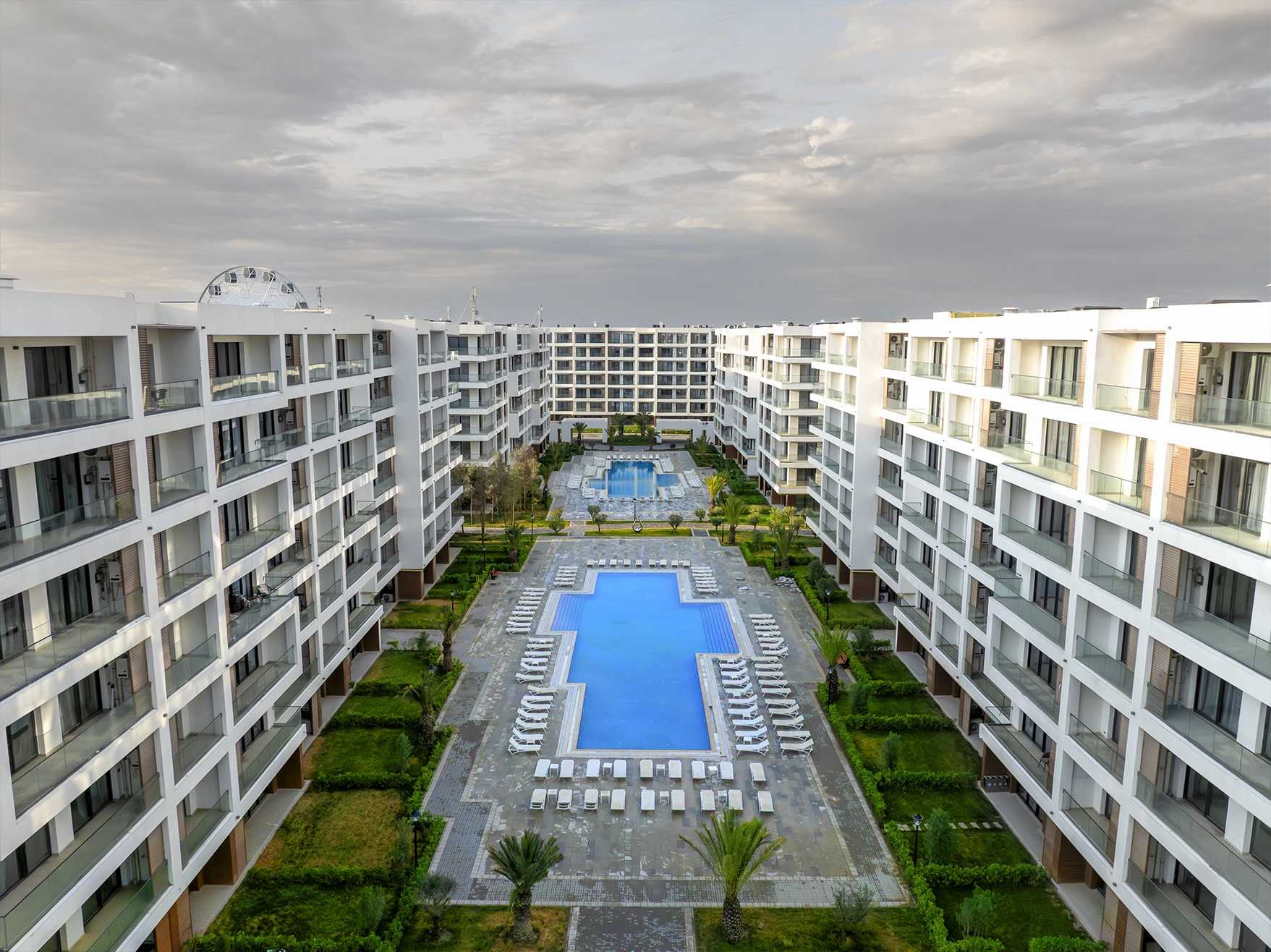
- Compact studios: a low entry price and strong short-let demand, such as the 40.1 m² pool-view studio in Park Lane.
- Renovated, ready units: they can be let from day one with no months lost to renovation, such as the turnkey studio in Lighthouse 3.
- Shell units: a cheaper entry, but you must budget the time and cost of fitting out.
- View and beach proximity: a sea or pool view is usually what tips a tenant's decision.
Complexes compared from an investor's point of view: Sea Breeze complexes compared.
Strategies
- Buy to let. The classic: a ready unit, professional management, regular income.
- Flipping. Buy below market or off-plan, renovate and resell. The upside can be high, and so can the risk.
- Portfolio. Several units across complexes to spread risk.
- Reinvestment. Channel rental income into the next unit.
- Trade-in. Put your existing property towards a new home at Sea Breeze.
For payment options and ready vs off-plan, see Mortgages and payment plans at Sea Breeze.
How Sea Breeze Properties works with investors
- Goal and horizon. Income, growth or both; how many years; whether you will use the home yourself.
- Shortlist and model. For each candidate unit we set out the total investment, the expected costs and realistic rental scenarios.
- Purchase. Document checks, contract and payment structure.
- Rental readiness. Renovation and furniture where needed, matched to what tenants expect and no more.
- Management. Finding tenants, looking after the unit and reporting on income.
- Next step. Reinvestment, growing the portfolio or selling when the time is right.
Risks
- Seasonality: short-let demand drops in winter.
- New supply: each new phase adds competition for tenants.
- Construction delays: with off-plan, income starts only after handover.
- Liquidity: a sale can take weeks, sometimes months.
- Currency: prices are quoted in AZN and USD, so foreign investors carry exchange-rate risk.
- Rules: tax and rental rules can change.
Who it suits, and who it doesn't
Investing at Sea Breeze suits investors with a horizon of five years or more, families who use the home themselves in summer and let it for the rest of the year, and buyers who want a real asset priced in AZN and USD. It is the wrong tool for anyone who needs a guaranteed fixed income or plans to exit within months.
Let's run a real calculation for your budget and horizon: get in touch.
Questions and answers
What rental yield can I expect at Sea Breeze?
The developer advertises rental yields above 8% a year, but that is not a guarantee. Real yield depends on the entry price, condition and view of the unit, the season and management costs, so Sea Breeze Properties models each unit separately.
Which Sea Breeze apartment is best for investment?
For rentals, compact renovated units with a pool or sea view usually perform best because they let quickly. A shell unit is cheaper to buy but you must allow for the time and cost of renovation.
What are the main risks of investing at Sea Breeze?
The main risks are seasonality, competition from new phases, delays on off-plan projects, the time it takes to sell and, for foreign investors, exchange-rate risk.
Who will manage my apartment?
Sea Breeze Properties provides rental, portfolio management and reinvestment services for investors. Management terms and fees are agreed with each client individually.
Thinking about buying at Sea Breeze?
Talk to a specialist — we reply within 24 hours.